

Blog

Using AI-Generated Content: What Are Your Legal Obligations?
(0) Using AI-Generated Content: What Are Your Legal Obligations?

The ever-increasing reliance of content producers on artificial intelligence apps to generate content for online use begs the question of what legal obligations and liability risks arise from the use of that content.

The statutory and regulatory requirements governing the use of AI to generate online content varies widely by jurisdiction. While there is no universal set of laws, certain general legal principles apply across the spectrum.

1. Copyright and Intellectual Property Rights

When an AI tool such as Google Gemini or Microsoft Co-Pilot is used to generate content, the first questions that arise are: “Where did it obtain this content? Is it original or was it derived from an existing source? If it is derivative, who holds the copyright to that material? Who should be credited as the author?”

Is the “author” the AI bot, the human who programmed or trained it, the human who provided the input data, or the human who edited or published the output? Different jurisdictions may have different criteria for determining authorship and ownership of AI-generated works, and some may not recognize AI as a legal entity or a “creator” at all.

It is important to determine whether the AI is creating “original work” or if the content is derivative of existing copyrighted material. Additionally, the use of AI to replicate copyrighted content without permission may infringe on the copyright holder’s rights.

AI-generated content may fall under the doctrine of fair use or transformative use, which allows the use of copyrighted material for purposes such as criticism, comment, news reporting, teaching, scholarship, or research. However, this is not a clear-cut rule and depends on factors such as the purpose and character of the use, the nature of the original work, the amount and substantive nature of the portion used, and the effect of that use on the potential market.

2. Liability and Accountability

AI-generated content may also entail legal risks and responsibilities for the parties involved in its creation and distribution. For example, who is liable if the AI-generated content infringes on someone’s rights, causes harm, or violates laws or regulations? Can the creator or developer of an AI content generator be held legally responsible for their tool's actions and decisions? How can the human users or beneficiaries of the AI-generated content ensure its quality, accuracy, and reliability? 

3. Privacy and Data Protection

AI-generated content may involve the use of personal data, such as names, images, or biographical information, to create realistic or personalized content. This could violate any number of privacy and data protection laws that regulate how personal data can be collected, processed, and shared online.

If the AI uses personal data to generate content, it must comply with data protection laws such as the General Data Protection Regulation (GDPR) in the European Union, the California Consumer Privacy Act (CCPA), Canada's Personal Information Protection and Electronic Documents Act (PIPEDA), and other similar regulations. These laws require obtaining consent from individuals before processing their personal data and ensuring the protection of that data.

4. Transparency and Disclosure

Depending on the jurisdiction, there may be requirements to disclose to your site visitors that content has been generated by AI, especially in cases where the content might be mistaken for human-generated content. This is particularly relevant in advertising, news articles, and other media where trust and authenticity are important.

AI-generated content may pose ethical challenges, such as opportunities to mislead or deceive the audience, harm the reputation or dignity of individuals, or undermine the credibility or diversity of information sources. From an ethical standpoint, it is important for content developers to disclose the use of AI to generate content and provide clear and accurate information about the source, purpose, and quality of the content. It’s also important to avoid creating content that is harmful, offensive, or discriminatory.

5. Consumer Protection Laws

AI-generated content must not mislead consumers. This falls under broader consumer protection laws that prohibit deceptive practices. Content that is designed to deceive or mislead users may result in legal action and penalties.

6. Liability for Harmful Content

If AI-generated content is defamatory, discriminatory, or otherwise harmful, there may be serious legal consequences. The entity responsible for the AI may be held liable for the content it produces, depending on the legal framework governing speech and publication in the relevant jurisdiction.

7. Accessibility

Laws such as the Americans with Disabilities Act (ADA) in the United States require that online content, including AI-generated content, be accessible to individuals with disabilities. This includes ensuring that content is compatible with screen readers and other assistive technologies.

8. Platform-Specific Rules

Online social media and streaming platforms have their own terms of service and/or community guidelines that govern the use of AI to generate content. These rules may go beyond the applicable legal requirements and can result in content being removed or accounts being banned for non-compliance.

9. Export Controls and Sanctions

In some cases, AI technologies are subject to export control laws and sanctions, guidelines and requirements for disclosing AI generated content.

TAKEAWAYS

Full Disclosure. Always disclose which content is AI-generated and clearly label it as such. This can be done through disclaimers or specific mentions within the content that it was generated or assisted by AI.

Quality Assurance. Regardless of whether content is AI-generated or human-written, the focus should always be on producing high-quality, original content that provides value to the audience. 

Compliance with Laws and Regulations. The very nature of the worldwide web means that content on your website is accessible anywhere in the world. Be aware of any legal requirements or industry standards – both within your own jurisdiction and globally - that may apply to AI-generated content, and ensure that your content is compliant.

Image by Gerd Altmann from Pixabay. Content partially researched using Microsoft Copilot AI.
How Driverless Cars are Changing the Auto Insurance Industry
(0) How Driverless Cars are Changing the Auto Insurance Industry

Elon Musk, CEO of Tesla, has made his position clear that if one of their self-driving cars has an accident, Tesla will not be liable and it will be up to the individual’s insurance unless the accident was the result of a design flaw.

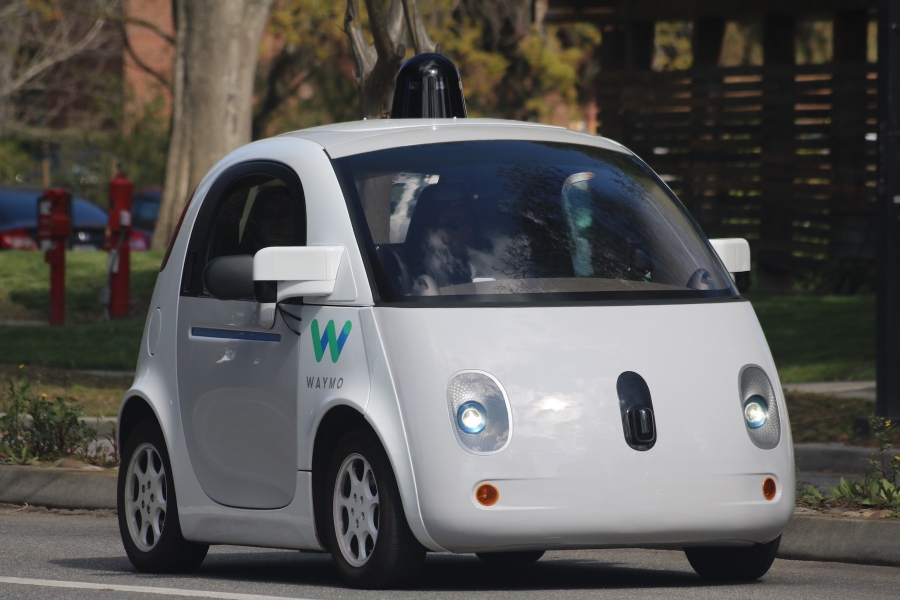
Volvo, Waymo (Google) and Mercedes Benz, on the other hand, have all stated that they would accept full responsibility. The real question is, how will insurance companies assess liability between the manufacturer and the driver, or will they hold both parties accountable?

Autonomous vehicles are loaded with safety features and crash avoidance systems, making self-driving vehicles much safer overall. But accidents will happen, no matter how safe the design. The question of who – or what – is liable will still depend on the individual factors that resulted in the accident.

Regardless of what Elon Musk thinks, manufacturers and software designers will definitely be held liable to some extent in many cases. Self-driving vehicles continue to have problems adapting to bad weather and fast-changing road conditions, and liability for accidents occurring in autonomous mode under these conditions would land squarely on the shoulders of the car company.

But one big advantage the car companies have is this: testing has consistently shown computers to be safer drivers than humans. So it is logical to assume that under normal conditions, autonomous vehicles will have fewer accidents than human-operated vehicles.

UK Legislation and Insurance Coverage

The UK Government’s Automated Vehicles Act provides that, while their vehicle is in self-driving mode, drivers will not be held responsible for how the vehicle drives. For the first time, corporations such as insurance providers, software developers and automotive manufacturers assume this responsibility.

Adrian Flux was the first UK insurer to provide driverless car insurance. The policy is dependent on a licensed driver being in the vehicle and able to take control at any time, and can be invalidated if the owner fails to properly maintain the vehicle, including timely downloading all updates to the software. The driver would be liable under UK law if he/she is under the influence of drugs or alcohol, is texting or otherwise distracted, or if the vehicle is exceeding posted speed limits.

Adrian Flux’ website also outlines the following interesting points:

The UK’s road’s minister, Andrew Jones recently outlined how the insurance industry will adapt to the introduction of driverless cars and the question of liability by saying, “…in the event of a serious collision in driverless mode, it would be the vehicle at fault, instead of the human driver.”

The National Highway Traffic Safety Administration in the US also, for example, considers Google’s autonomous driving software can be identified as the driver.  How this interpretation of liability will work with the State of California’s ruling requiring a fully licensed driver to be present in the car is still unclear. If there’s no steering wheel in the car, as Google is planning, why would a human occupant need a driving licence or car insurance?

That last paragraph raises the issue of who is considered the “driver”. If the car / software is held to be the “driver” under the law, then the auto maker must be held responsible to a large degree. A number of insurance industry analysts have said that this crosses over into product liability rather than personal insurance. If the technology malfunctions or if the car fails to respond as it was intended to, this is clearly a product liability claim and the auto maker’s insurance would and should pay for damages.

Here's an interesting question to consider.

If the law requires a driver to hold a valid driver’s license to operate a vehicle, will it not then be necessary to institute a series of driving tests that the car must pass before it can drive itself?

Conclusion

The insurance industry will continue to adapt and adjust as the driverless car industry evolves and as the pattern begins to emerge over time as to the types of accidents occurring, the number of claims processed and the quantum of damages paid out.

While improvements to safety systems have lowered the frequency and severity of certain types of collisions, they are also much more expensive to repair and replace. This results in higher payouts from insurance companies, which results in higher insurance rates being passed on to the consumer. On the up side, though, the safer your vehicle is, the lower the rate you will get from most underwriters.

For the immediate future, it seems likely that most insurance policies will still require a licensed driver to be present in the vehicle and ready to take over in the event of an emergency. An underwriter may assess liability based on how much control the human operator had or might have had over the vehicle.

If there is no means for the individual to take control, then the individual would bear no responsibility and the auto maker would be liable for the damages. Insurers and governments still have time to develop and implement laws, policies, rules and regulations before self-driving vehicles become a common sight on our streets and highways.

Image licensed by CreativeCommons.org

What You Should Know About the Legalities of Augmented Reality
(0) What You Should Know About the Legalities of Augmented Reality

The release of Pokemon Go has opened a Pandora's box of concerns for property owners, lawyers and lawmakers. This is a brief overview of potential legal issues arising from the new and developing area of augmented reality apps.

Censorship and the Deglobalization of the Worldwide Web
(0) Censorship and the Deglobalization of the Worldwide Web

With the Cameron government's proposal to automatically filter out pornographic websites from Internet access to all households in the United Kingdom, the UK joins a growing list of countries which attempt to censor all or part of the Internet content their citizens are able to access. All of which begs the question, is the name "world wide web" a misnomer? Is the Internet truly universal?